What to watch for in a New York home
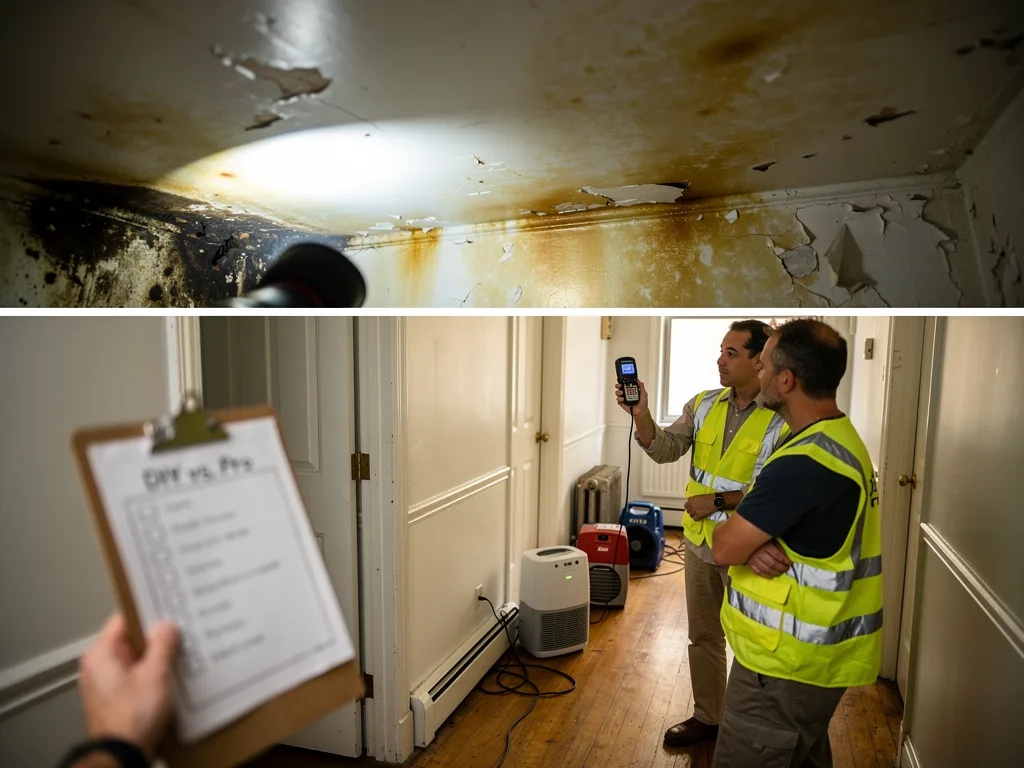
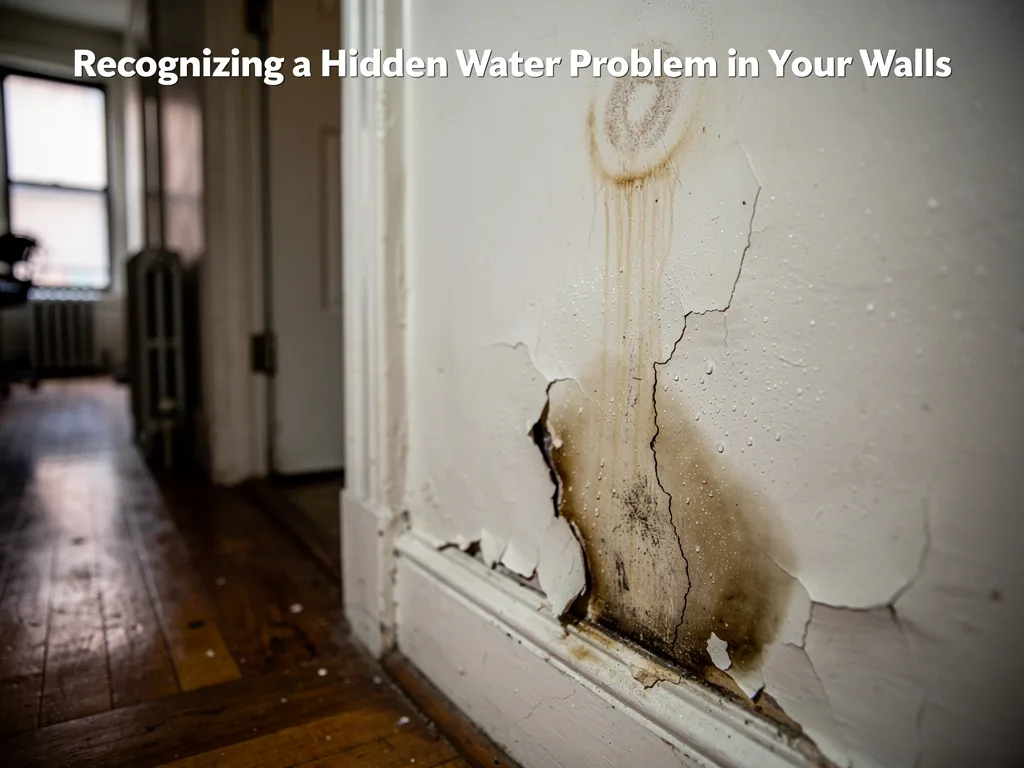
Water damage often starts behind the scenes. In a typical New York City townhouse or condo, look for persistent dampness in closets, along baseboards, or under sinks. A musty odor is a strong indicator that moisture is lingering somewhere you can’t see. You might notice patchy paint that bubbles or peels, especially after a heavy rain or rapid freeze-thaw cycle. If you spot staining on ceilings or walls after a storm, treat it as a sign something is seeping through or collecting in quiet spaces.
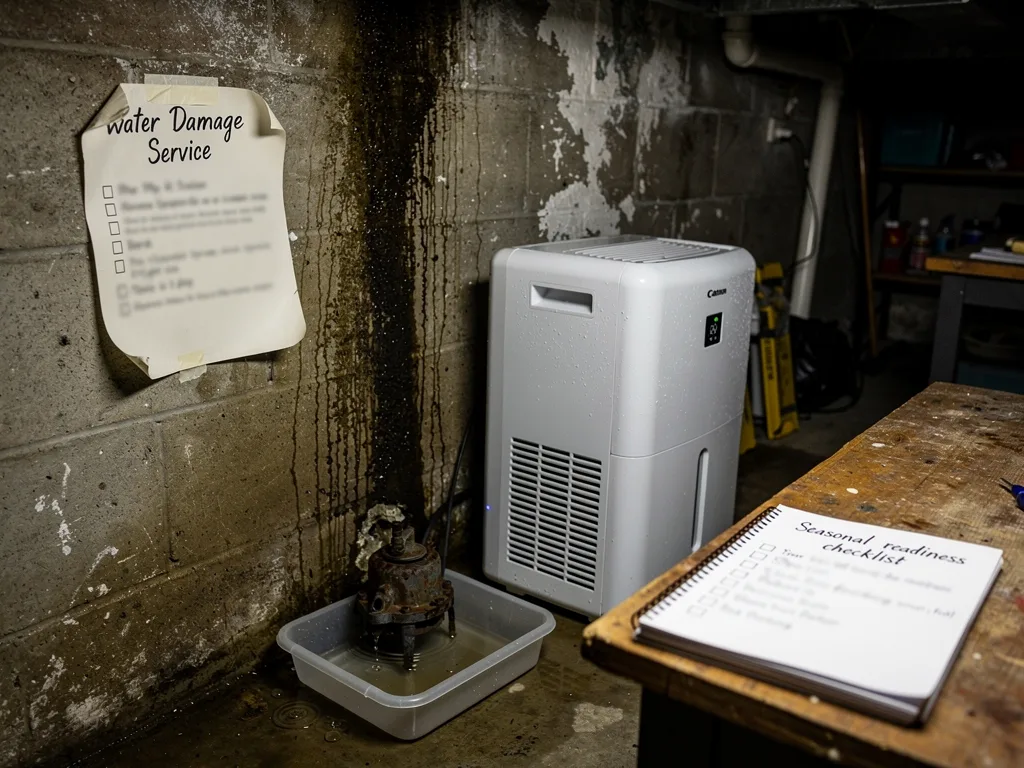
In New York, high humidity during the summer combined with indoor leaks creates a recipe for mold growth. Even small leaks can lead to bigger problems over time. Our team often finds that homeowners assume a quick surface wipe fixes the issue, but the real danger sits behind walls or under floors where water has had weeks or months to travel.
Why warning signs matter for long-term health of your home
Left unchecked, hidden moisture can cause wood framing to swell, paint to peel, and finishes to warp. Small issues grow into bigger repairs and higher costs if not addressed by restoration specialists who understand moisture pathways in urban homes. Early detection helps you avoid surprises like delayed repairs or compromised structural materials.
Our approach at New York City Water Damage Pros focuses on identifying the source, not just the symptom. We map moisture with professional equipment and inspect for hidden pockets that standard inspections miss. Knowing where water is going lets you plan the right remedy rather than chasing symptoms.
What to do if you notice signs
Document the area with photos, note the date you first observed the issue, and avoid moving wet materials unless necessary. Then call our team for a professional assessment. We can perform a careful evaluation, explain the findings in plain language, and outline the next steps. Our goal is to stop the moisture and protect the structure and your indoor air quality.
Key steps before a visit
Keep a log of any changes in the space, limit additional moisture sources, and remove items from the affected area if safe to do so. A quick, no-pressure phone consultation helps us tailor our in-person assessment to your home’s layout and your concerns.