Winter: guard against burst risks
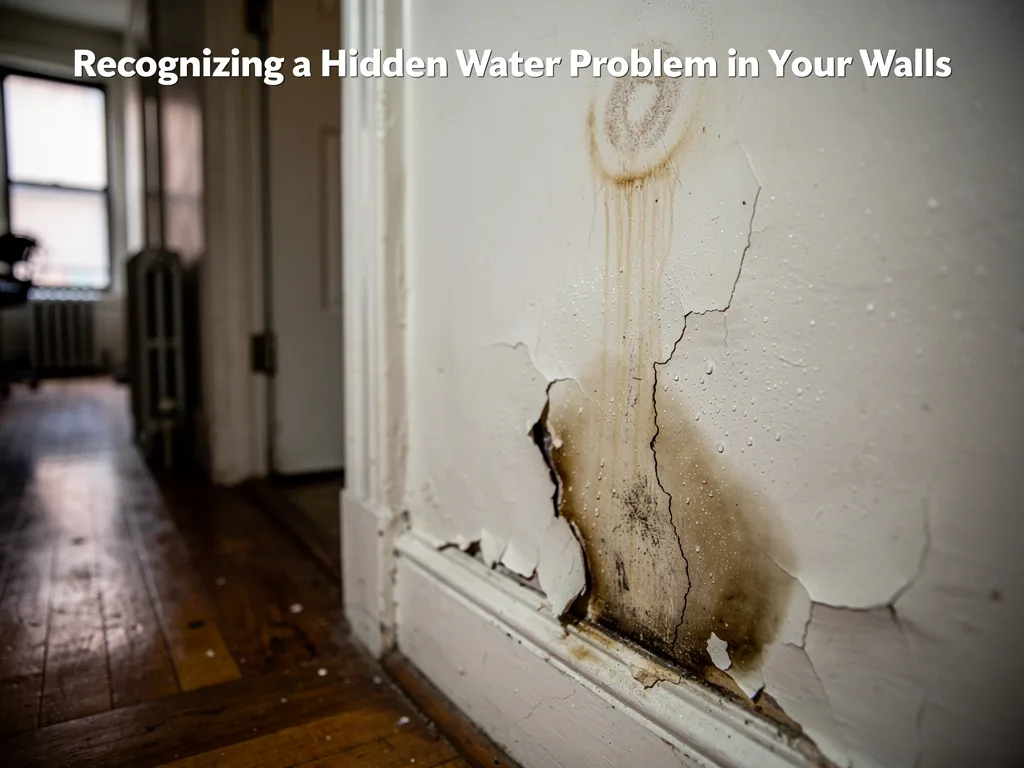
Cold snaps and rapid warming can cause any lingering moisture to expand. Check under sinks and around appliances for leaks that might worsen when temperatures drop. Keep gutters clear so melting snow has a clear path away from your foundation. In multi-story buildings, pay attention to shared walls and ceilings where condensation can form after heating runs for hours on end.
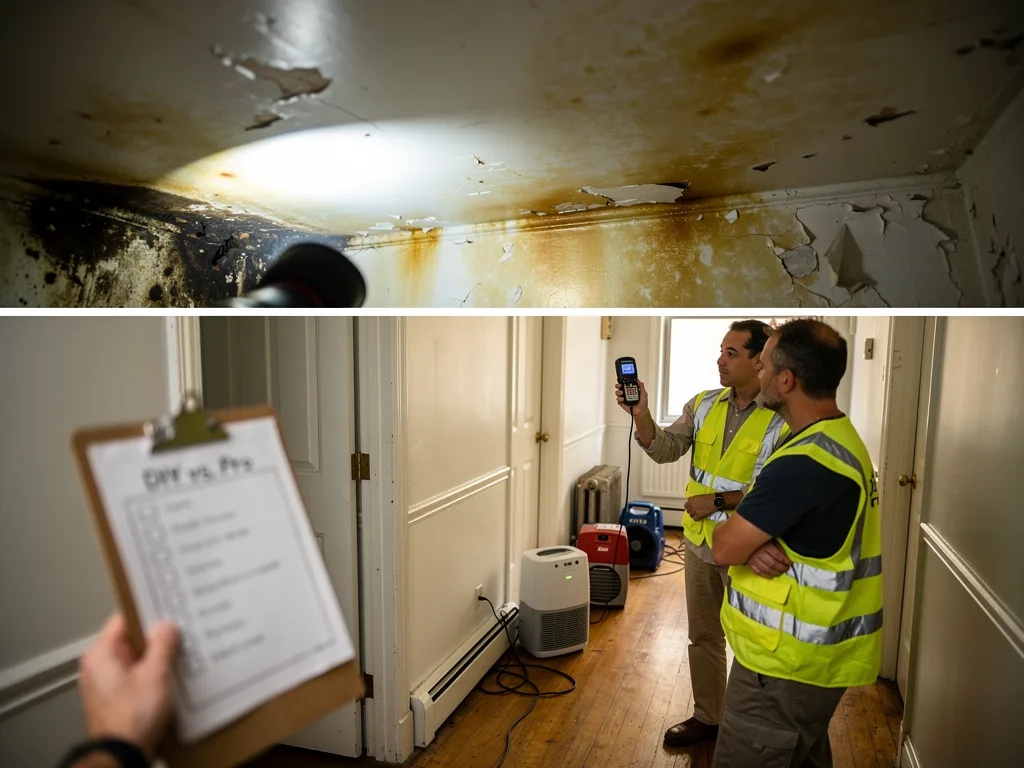
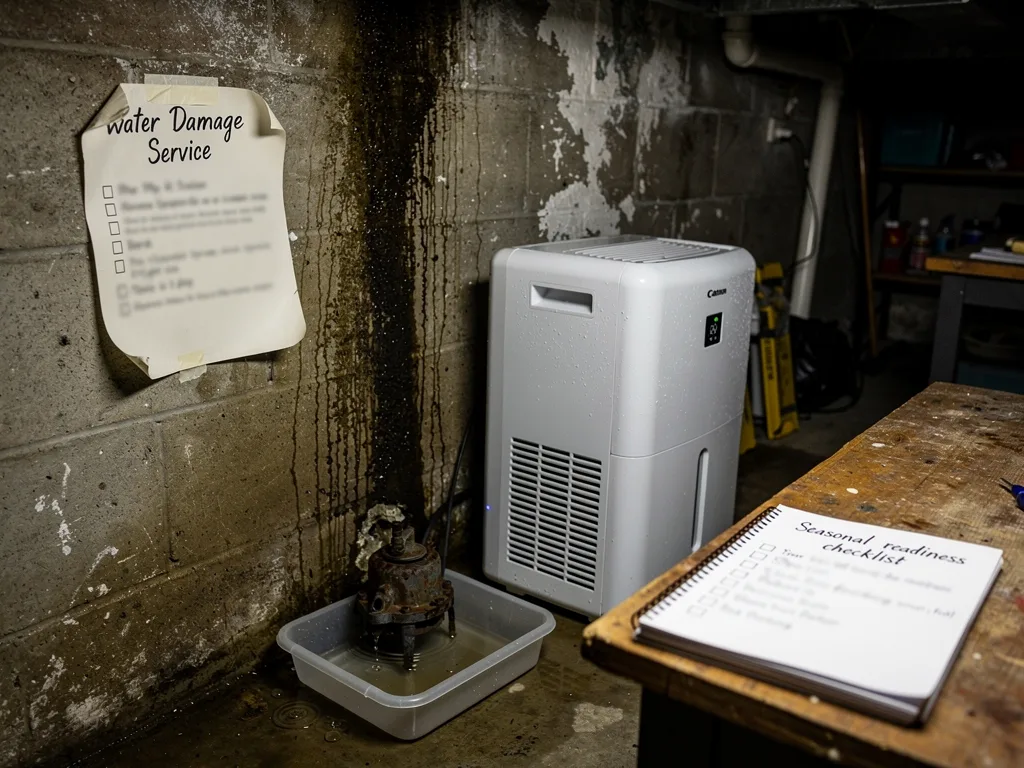
During a New York winter, run the exhaust fan after baths and kitchen use and consider a dehumidifier in moist rooms like bathrooms and laundry areas. Small, consistent drying helps prevent mold development and wood swelling. If you notice a musty scent after a cold snap, call a restoration specialist to inspect before the issue grows.
Spring and summer: handle humidity and rain
New York summers bring higher humidity and sudden downpours. Check for signs of water that may have entered through roof flashing, windows, or leaky gutters. Keep an eye on basements or lower-level spaces after heavy rain events. A small leak can become a bigger problem when warm air and moisture linger indoors.
Ventilate regularly and use exhaust fans in baths and kitchens. If you’ve had a water event or persistent dampness, arrange a professional check to confirm there’s no hidden moisture behind walls or under flooring. Our restoration specialists can reroute or seal moisture pathways as needed to stop recurring issues.
Year-round maintenance tips
Establish a simple seasonal routine: inspect seals around windows, check outdoor drainage, and keep an eye on any water stains that appear after storms. If you’re in New York City, apartment dwellers should coordinate with building management when potential water paths cross common areas. A proactive approach keeps repair costs lower and helps protect your indoor air quality.
If you notice recurring dampness, contact New York City Water Damage Pros for a professional assessment. We’ll walk you through findings and outline practical steps tailored to your home and neighborhood.